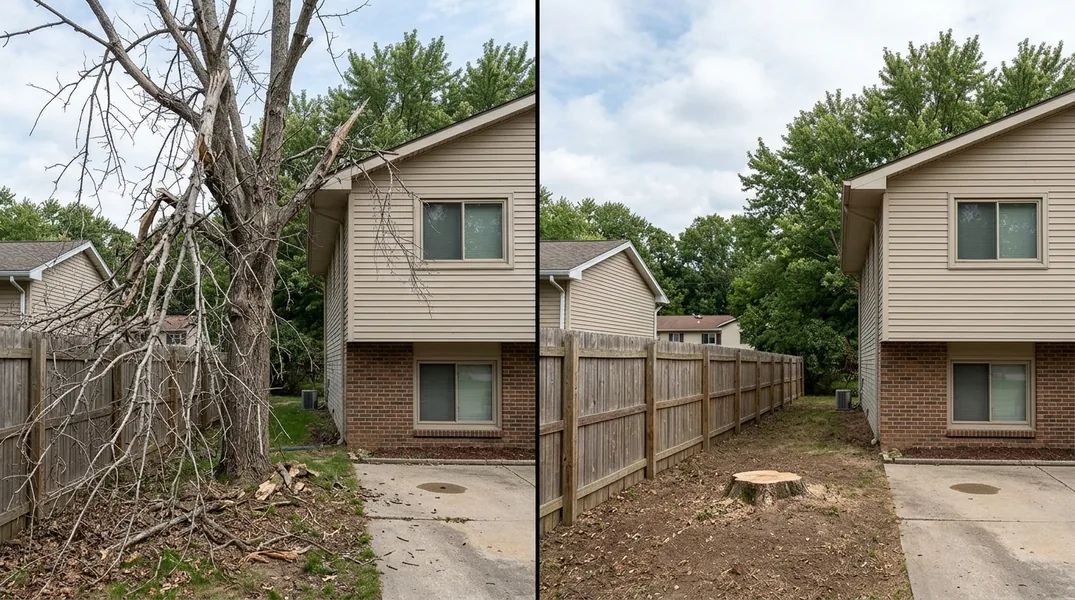
Understanding Lansing's Tree Removal Permit Requirements
If you own a property in Lansing and are considering Tree Removal, the first question you should ask is whether you need a permit. The answer depends on several factors, including the location of the tree, its size, and whether it's on public or private property. Many homeowners assume they can simply remove a tree from their yard without any paperwork, but Lansing city ordinances have specific rules designed to protect the urban forest and maintain neighborhood character.
A tree removal permit in Lansing is typically required when you plan to remove a tree that is eight inches or larger in diameter, measured at breast height (DBH). This regulation applies to most trees on private residential property within city limits. The permit process exists to ensure that property owners are making informed decisions about tree removal and that the city can track the loss of its tree canopy. Before you pick up a chainsaw or hire someone to do the work, contacting the city's forestry department is essential to avoid fines and potential legal issues.
Street Trees and Tree Lawn Regulations in Lansing
Street trees, also known as tree lawn trees, occupy a special category in Lansing's city forestry rules. These are the trees planted in the strip of land between the sidewalk and the street, commonly called the tree lawn or tree belt. Even though these trees may be located near your property, they are typically owned and maintained by the city, not the homeowner. This distinction is crucial because it means you cannot legally remove a street tree without explicit permission from the city's forestry division, regardless of whether it's in front of your house.
If a street tree in front of your property is diseased, damaged, or simply unwanted, you cannot take matters into your own hands. The city has specific protocols for evaluating street trees and determining whether removal is appropriate. Attempting to remove or significantly damage a street tree without authorization can result in substantial fines and legal consequences. If you believe a street tree on your property line needs attention, the appropriate step is to contact Lansing's Parks and Recreation Department or Forestry Division to request an evaluation. They will assess the tree's condition and make a determination based on city standards.
When Do You Need a Tree Removal Permit in Lansing?
Understanding exactly when a tree removal permit in Lansing is required can save you time, money, and legal headaches. Generally speaking, you need a permit if the tree is located on your private property within city limits and measures eight inches or more in diameter at breast height. However, there are some exceptions to this rule. Trees that are considered hazardous, diseased beyond recovery, or an immediate threat to structures or people may fall under different guidelines. Additionally, certain species of trees that are invasive or considered nuisance trees might have different requirements.
The permit application process in Lansing typically involves submitting a form to the city's forestry department along with information about the tree's location, species, size, and the reason for removal. Some situations may require an arborist's report or photographic evidence of disease or damage. Once submitted, the city reviews your request and either approves it, denies it, or requests additional information. The timeline for approval can vary, so it's wise to apply well in advance if you have a planned removal. If you're unsure whether your specific situation requires a permit, calling the city directly or consulting with a professional tree service like Lansing Tree Service can provide clarity.
Private Property Tree Removal vs. Public Tree Removal
One of the most common sources of confusion for homeowners involves the distinction between trees on private property and trees on public property. If a tree is located entirely on your property and does not encroach on public right-of-way, it is generally considered a private tree, and you have more authority over its fate, though you still need a permit for removal. However, if the tree is rooted in the public tree lawn or extends over the street, it may be classified as a public tree, which means the city retains control over decisions regarding its maintenance or removal.
Trees that straddle the property line or have roots and branches that extend into public space create gray areas that require careful consideration. If you're uncertain about the classification of a tree on or near your property, it's best to err on the side of caution and contact the city before proceeding. Professional arborists and tree service companies are familiar with these distinctions and can help you navigate the process. Lansing Tree Service can assess your situation and guide you through the permitting process, ensuring that any Tree Removal work is done legally and safely. To discuss your specific tree situation, feel free to call (517) 888-9633 or request a free estimate.
Tree Removal Cost in Lansing: What to Budget
The pricing for tree removal in Lansing varies depending on several factors, including the tree's size, species, location, and complexity of the job. A small tree removal might cost significantly less than removing a large oak or maple that's close to your home or power lines. Additionally, if you need Stump Grinding after the tree is cut down, that's an additional service that affects the overall cost. Understanding what influences pricing can help you budget appropriately and avoid surprises when you receive quotes from contractors.
Beyond the removal itself, there are often ancillary costs to consider. Debris removal and chipping, hauling away wood, and site cleanup all factor into the final bill. Some companies include these services in their initial quote, while others charge separately. When comparing quotes from different tree service providers in Lansing, make sure you're comparing apples to apples by understanding exactly what's included in each estimate. Lansing Tree Service provides transparent pricing and detailed estimates so you know exactly what to expect. Contact us at (517) 888-9633 to get a free estimate for your tree removal project.
How to Apply for a Tree Removal Permit in Lansing
Applying for a tree removal permit in Lansing is a straightforward process, though it does require some preparation and patience. Start by contacting the city's Forestry Division or Parks and Recreation Department to obtain the permit application form. You'll need to provide basic information about your property, the tree you want to remove, and your reason for removal. Having photographs of the tree and documentation of any disease, damage, or safety concerns will strengthen your application and speed up the approval process.
Once you've submitted your application, the city will review it and may conduct an on-site inspection. If the tree meets the criteria for removal, your permit will be approved, and you can proceed with hiring a contractor. If you're working with a professional tree service, many companies can assist with the permitting process or handle it entirely on your behalf. This is one of the many reasons why hiring an experienced local company like Lansing Tree Service makes sense. We understand Lansing's regulations intimately and can help ensure your project stays compliant. Reach out to us today at (517) 888-9633 or visit our website to discuss your tree removal needs and get started on the right foot.
Looking for a professional tree service contractor in Lansing? Lansing Tree Service responds fast for all your tree service needs.
Get a Free QuoteOur services: Tree Removal · Tree Trimming & Pruning · Stump Grinding